Describe Three Major Roles of Cutting Fluids in Cutting Operation
As a lubricant at low cutting speeds to cool the tool and work and to assist in clearing the swarf. The cutting fluid recommended for machining steel with high speed cutting tools depends largely on the severity of the operation.
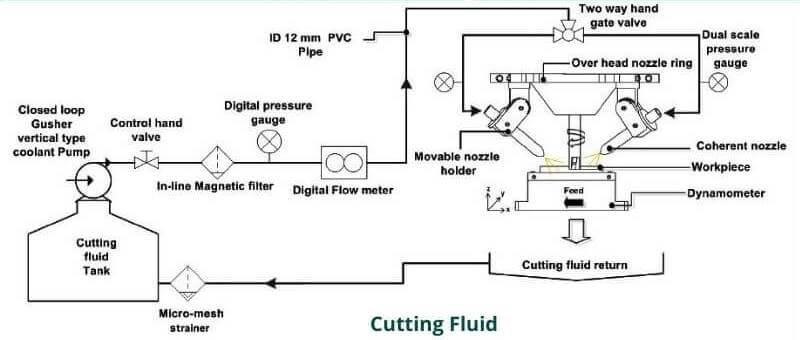
What Are Cutting Fluids Types Of Cutting Fluids Uses Of Cutting Fluids Selection Of Cutting Fluid
It should have low viscosity.
. Homework Section J Unit 4 Vertical Milling Machine Operations ch 14d 18 Terms. Cutting Fluid Management for Small Machining Operations 2. Cutting fluids initially used to act primarily as coolants.
Cutting fluids also help prevent rust and corrosion and flush chips away. For tool steels and tough alloy steels a heavy. For ordinary turning boring drilling and milling on medium and low strength steels use a soluble oil having a consistency of 1 part oil to 10 to 20 parts water.
During machining use of cutting fluids improves machined surface finish and reduces cutting tool wear. The use of cutting fluid in machining processes increases the tool life. To cool the work piece.
Selecting from the hundreds of available cutting fluids can be a real challenge. Main purposes of cutting fluids are to cool and lubricate machining region as well as to flush away the chips produced. Sulfur-containing cutting fluid should not be used.
Friction can be incredibly damaging to both your working material and your tools so choosing the right cutting fluid for your material can improve your work. This ultimately creates a more precise higher-quality end product. During machining processes heat is generated between the cutting edge of the tool and the workpiece due to the friction thats why lubrication helps to reduce the friction and heat generation automatically controlled.
4 Used to reduce friction. Mist fumes smoke and odors from cutting fluids can cause sever skin reactions and respiratory problems especially in using fluids with chemical constituents such as sulfur chlorine and so on. Active surface type moderate cooling and.
1 Cooling 2 Friction reduction lubrication 3 Reduction of the shear-strength of the work-material. To cool the tool. This dust removal is important as dust can cause uneven cutting.
Cutting Fluids also reduces the friction between the tool and the workpiece that keeps down the cutting forces and also. Unless youre doing dry machining youll use some kind of cutting oil or fluid in your machines. Functions of the Cutting fluid.
Consequently the trend is to use water-based cutting fluids. Surface finish Cutting fluid improve the surface finish of job. Start studying Homework Section F Unit 3 Cutting Fluids ch 912 c.
According to the materials of workpiece or parts. The primary functions of cutting fluids in machining are. When finishing use kerosene.
Application of cutting fluid also improves the quality of the workpiece by continually removing metal fines and cuttings from the tool and cutting zone. Cutting fluids and lubricants reduce the total friction during metalworking making the process simpler in a multitude of ways. Cutting fluid is a type of coolant and lubricant designed specifically for metalworking processes such as machining and stamping.
The role of the cutting fluid in cooling the work piece is to prevent its excessive thermal distortion. There are three basic types of cutting fluids. The primary function of cutting fluid is temperature control through cooling and lubrication.
The main function of the cutting fluid is cooling and lubrication. Three major types of cutting fluids liquids are. It should have good lubricating properties.
It should have low surface tension. Cutting fluids and oils provide lubrication and cooling. Cutting fluids are used for the following 1.
Lubricating the cutting process primarily at low cutting speeds. Reduce tool wear- Extreme pressure additives are often added to. Types of cutting fluids.
There are two types of such cutting fluid. Basic Actions of Cutting Fluids. The basic actions of cutting fluids which assist in cutting processes are.
1 Cast iron and brass. The main functions of cutting fluid are cooling lubrication removing the chips and protecting the workpiece 1. At cutting speeds in excess of about 07 ms there is little noticeable lubricating effect.
In general the major functions of a coolant are to lubricate and cool. The primary function of cutting fluids is to cool the tool work piece and chip reduce friction at the sliding contacts and prevent or reduce the welding or adhesion on the contact edges that causes a built-up edge on the cutting tool or insert. Cooling the workpiece primarily at high cutting speeds.
Chip removal The cutting fluid uses to wash away the chip from tool. It is have a good transparency. They also help remove chips from the cutting area.
Emulsion synthetic and cutting oils. Learn vocabulary terms and more with flashcards games and other study tools. There are various kinds of cutting fluids which include oils oil-water emulsions pastes gels aerosols mists and air or other gasesCutting fluids are made from petroleum distillates animal fats plant oils water and air or other raw ingredients.
In many machine-tool operations cutting fluids or coolants are used to modify the harmful effects of friction and high temperatures. It should be harmless to the operator. Chemically inactive type high cooling anti-rusting and wetting but less lubricating.
Cutting Fluids are also used as a cleansing agent and remove dust near and inside the cutting area. Cutting fluids are used for three main purposes. Cooling the tool is necessary to prevent metallurgical damage and to assist in decreasing friction at the tool-chip interface and at the tool-work piece interface.
When cutting a screw thread either on a. Generally no cutting fluid used. Chip breaking The application of cutting fluid facilitates the chip formation and break chip into small pieces.
Corrosion resistant Cutting fluid prevent corrosion of components. Mineral oils with additives Neat oils Properties of cutting fluids. Cutting fluids have various merits over dry machining.
The cutting fluids is essential in a machining operation in order to enhance the productivity in termsof performances 2. 2 Aluminum cutting fluid. 3 Used for cleaning the machining area.
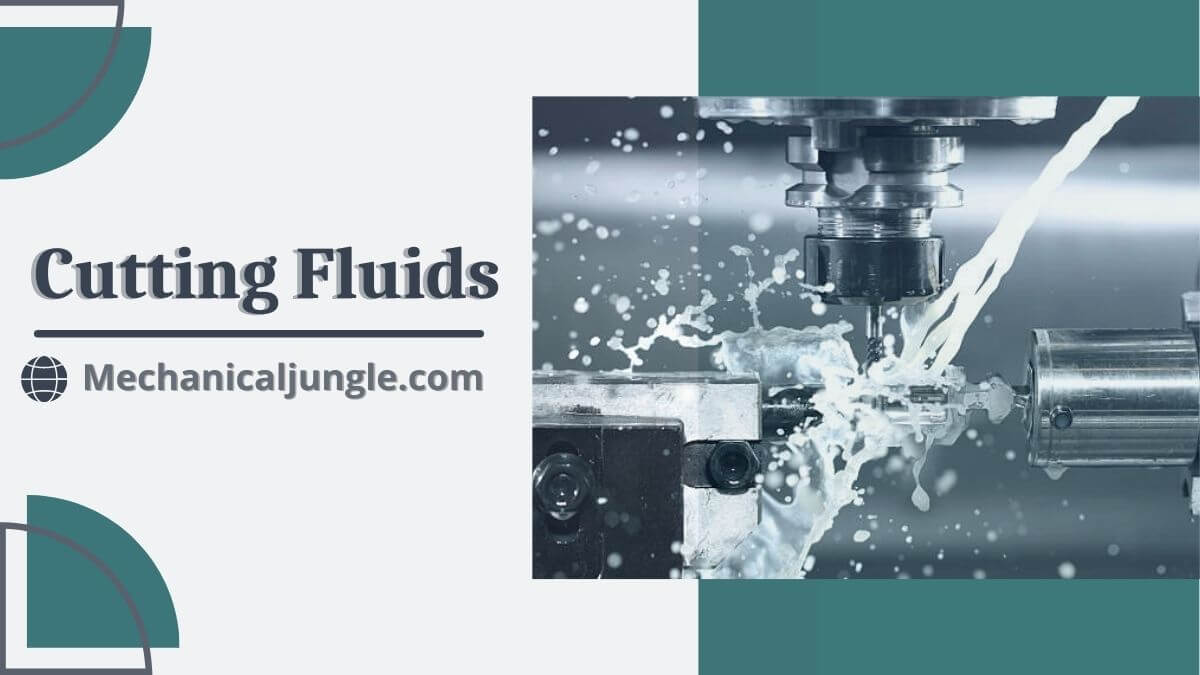
What Are Cutting Fluids Types Of Cutting Fluids Uses Of Cutting Fluids Selection Of Cutting Fluid

Cutting Fluid An Overview Sciencedirect Topics
2

Cutting Fluid An Overview Sciencedirect Topics
No comments for "Describe Three Major Roles of Cutting Fluids in Cutting Operation"
Post a Comment